Fagor Pressure Cooker Instructions: A Comprehensive Guide
This guide offers detailed instructions for your Fagor pressure cooker, ensuring safe and effective use through proper operation and maintenance procedures․
Explore components, safety precautions, cooking times, and troubleshooting – maximizing your culinary experience with this versatile kitchen appliance․
Understanding Your Fagor Pressure Cooker
Your Fagor pressure cooker is a versatile kitchen appliance designed to significantly reduce cooking times while preserving flavor and nutrients․ Before first use, carefully review the included user manual – often supplemented by instructional videos from culinary schools – to familiarize yourself with its operation․
The Fagor Duo, for example, boasts specific components and features detailed in its manual, emphasizing safety safeguards crucial for pressure cooking․ Understanding these features, like the lid sealing mechanism and pressure valve, is paramount․ Proper usage, as outlined in resources like Manualzilla, ensures optimal performance and longevity of your cooker․ This guide will help you navigate the process effectively․
Components and Features of the Fagor Duo
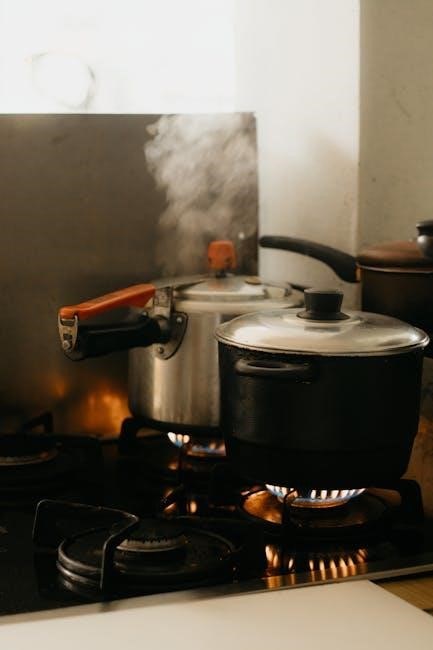
The Fagor Duo pressure cooker comprises several key components working in harmony․ These include a robust stainless steel body, a secure locking lid, and a reliable pressure valve regulating internal pressure․ The sealing ring, crucial for maintaining a tight seal, prevents steam leakage․
User manuals, like those found on Manualzilla, detail each part’s function․ Features often highlighted are multiple safety mechanisms, ensuring safe operation․ Understanding these features – from the pressure indicator to the automatic locking system – is vital․ Culinary school demonstrations visually explain component interaction, enhancing user comprehension and confidence in utilizing the Fagor Duo effectively․
Safety Precautions for Pressure Cooking
Prioritizing safety is paramount when using a Fagor pressure cooker․ Always carefully read the user manual before operation, understanding all safeguards․ Never overfill the cooker, as this can obstruct the pressure valve․ Ensure the sealing ring is correctly positioned and in good condition for a secure seal․
Avoid attempting to open the lid while pressure remains inside; utilize proper depressurization methods․ Regularly inspect the pressure valve for blockages․ Manuals emphasize these precautions, and culinary experts reinforce them, ensuring a safe and enjoyable cooking experience with your Fagor Duo․
Preparing to Use Your Fagor Pressure Cooker
Before first use, thoroughly inspect your Fagor pressure cooker for any damage․ Initial cleaning involves washing all removable parts with warm, soapy water, then drying completely․ Familiarize yourself with the lid’s locking mechanism and the sealing ring’s proper placement – crucial for safe operation․
Ensure the pressure valve is clear of obstructions․ Refer to the user manual for a detailed parts diagram․ Understanding these components and performing these preparatory steps will guarantee optimal performance and longevity of your Fagor cooker, as demonstrated in available video resources․
Initial Inspection and Cleaning
Upon unboxing, carefully inspect the Fagor pressure cooker for any shipping damage – dents, scratches, or missing parts․ Verify all components are present, referencing the parts diagram in the manual․ Prior to first use, wash the pot, lid, and all removable parts with warm, soapy water․
Pay close attention to the sealing ring, ensuring it’s clean and pliable․ Thoroughly dry all components before assembly․ This initial cleaning removes any manufacturing residues and prepares the cooker for safe and effective operation, as highlighted in user manuals and online resources․
Understanding the Lid and Sealing Ring
The Fagor lid is engineered for a secure, airtight seal – crucial for pressure build-up․ Familiarize yourself with the locking mechanism, ensuring proper engagement before each use․ The sealing ring, typically made of silicone, creates this vital seal; inspect it for cracks or damage before every cooking session․
Proper seating of the ring within the lid is essential․ A damaged or improperly placed ring will prevent pressure from building, compromising cooking results and safety․ Regular cleaning and eventual replacement of the sealing ring are necessary for optimal performance, as detailed in the user manual․
Pressure Cooking Basics: The Process
Pressure cooking relies on creating a sealed environment, trapping steam and increasing internal pressure․ This elevated pressure significantly raises the boiling point of water, dramatically reducing cooking times․ The Fagor cooker achieves this through a secure lid locking system and a pressure valve regulating internal pressure․
Understanding this process is key to successful and safe operation․ Always ensure sufficient liquid is added to generate steam, and never exceed the maximum fill line․ Monitoring the pressure valve is crucial; it indicates when the desired pressure has been reached and maintained․
Adding Liquids and Food

When using your Fagor, always add liquids before food to prevent scorching․ Recommended liquids include water, broth, or sauce – ensuring at least one cup is present․ Solid foods should not fill the cooker more than two-thirds full; liquids should not exceed the maximum fill line․
For foods that expand during cooking, like beans or grains, fill levels should be even lower․ Layering ingredients strategically can also help prevent sticking․ Remember, sufficient liquid is vital for generating the necessary steam to build pressure and cook food effectively․
Securing the Lid and Setting the Valve
Proper lid alignment is crucial for a safe seal; rotate until it clicks securely into place․ Ensure the sealing ring is correctly positioned within the lid – inspect for damage before each use․ Next, set the valve according to your recipe’s requirements; options typically include high or low pressure settings․
Double-check that the valve is in the desired position before heating․ Incorrect valve settings can lead to undercooked food or, in rare cases, safety concerns․ Always refer to your recipe for specific valve recommendations․
Cooking Times and Adjustments
Recommended cooking times vary significantly based on the food type and quantity; consult reliable recipes for initial guidance․ Beans and legumes, for example, require longer cooking times than vegetables․ Adjustments are often needed based on altitude – higher elevations necessitate increased cooking times due to lower boiling points․
Food quantity also impacts timing; larger volumes will take longer to cook thoroughly․ Experimentation is key to perfecting your recipes․ Always prioritize ensuring food reaches a safe internal temperature, and remember to account for pressure build-up and release times․
Recommended Cooking Times for Common Foods
For dried beans, such as kidney or black beans, a typical cooking time is 25-30 minutes at high pressure, followed by natural pressure release․ Pot roasts generally require 35-45 minutes, while whole chickens benefit from 20-25 minutes per pound․ Rice cooks remarkably quickly, often in just 5-10 minutes, depending on the variety․
Vegetables like potatoes and carrots usually take 8-12 minutes․ Remember these are guidelines; always check for doneness and adjust accordingly․ Consult specific recipes for optimal results, and consider the quantity of food when determining cooking duration․
Adjusting for Altitude and Food Quantity
At higher altitudes, water boils at a lower temperature, requiring increased cooking times․ For every 1,000 feet above sea level, add approximately 5% to the recommended cooking time․ Larger food quantities also necessitate longer cooking durations, as it takes more time for heat to penetrate thoroughly․
Increase liquid slightly when cooking larger volumes․ Monitor the pressure cooker closely and adjust cooking time as needed to ensure food is fully cooked․ Experimentation is key to mastering adjustments for your specific altitude and typical meal sizes․
Depressurizing Methods
Depressurizing your Fagor pressure cooker safely is crucial․ Natural Pressure Release (NPR) involves allowing the pressure to dissipate on its own, taking 10-30 minutes – ideal for soups and delicate foods․ Quick Pressure Release (QPR) uses the vent valve to rapidly release steam, shortening the process․
Exercise caution with QPR, as hot steam is released․ Avoid QPR for foods prone to splattering, like grains or beans․ Always follow the manufacturer’s instructions and ensure the valve is directed away from yourself and cabinets before initiating QPR․
Natural Pressure Release
Natural Pressure Release (NPR) is the safest depressurization method for your Fagor cooker․ Simply turn off the heat and allow the pressure to decrease gradually over time, typically 10 to 30 minutes․ This method is ideal for soups, stews, and foods with a high liquid content․
NPR prevents food from being disturbed, reducing the risk of splattering and ensuring tender results; The cooker is ready when the pressure indicator drops completely․ Avoid rushing this process; patience yields the best outcomes and maintains food quality․
Quick Pressure Release
Quick Pressure Release (QPR) rapidly reduces pressure, but requires caution․ Carefully operate the pressure release valve, directing steam away from your face and hands․ This method is suitable for vegetables and foods that don’t require a gradual pressure decrease․
Be aware of potential splattering, especially with starchy or liquid-rich foods․ Ensure the valve is fully open to expedite the process․ Once the pressure indicator drops, the cooker is safe to open․ QPR is faster, but NPR often delivers superior texture for certain dishes․
Cleaning and Maintenance
Regular cleaning extends your Fagor pressure cooker’s lifespan and ensures optimal performance․ After each use, disassemble the lid and wash all components – including the sealing ring and valve – with warm, soapy water․ Inspect the sealing ring for cracks or damage, replacing it as needed․
The cooker body can be washed by hand or in the dishwasher (check your model’s manual)․ Avoid abrasive cleaners that could damage the surface․ Proper storage involves ensuring all parts are dry before reassembly and storing in a cool, dry place․
Disassembling and Washing Components
To begin, ensure the cooker is cool and depressurized․ Carefully remove the lid, then detach the sealing ring and pressure valve․ Wash these components with warm, soapy water, paying close attention to crevices where food particles may accumulate․ The lid itself can be hand-washed or placed in the dishwasher, if dishwasher-safe․
The cooker pot is also dishwasher-safe or can be washed by hand․ Avoid abrasive cleaners on any surface․ Thoroughly dry all parts before reassembling to prevent mildew or corrosion․ Regular disassembly ensures hygienic operation․
Proper Storage of Your Pressure Cooker
Before storing your Fagor pressure cooker, ensure all components are completely dry to prevent mold or unpleasant odors․ Store the cooker in a clean, dry location, away from direct sunlight and extreme temperatures․ Avoid stacking heavy items on top, which could damage the pot or lid․
Keep the sealing ring separate from the pot to prevent permanent compression․ Consider storing the ring in a plastic bag․ Ensure the lid is not sealed tightly to allow air circulation․ Proper storage extends the lifespan and maintains the cooker’s functionality․
Troubleshooting Common Issues
If the lid won’t seal, check the sealing ring for cracks or debris, and ensure it’s correctly positioned․ Verify the steam vent and safety valve are clear of obstructions․ For burning food, reduce cooking time or increase liquid levels; ensure food doesn’t stick to the bottom․
Insufficient pressure can result from inadequate liquid or a faulty valve․ Persistent issues may indicate a need for replacement parts․ Consult the manual or online resources for detailed solutions․ Remember safety first – never force the lid open under pressure․
Lid Won’t Seal
A common issue is a misaligned or damaged sealing ring; inspect it carefully for cracks, tears, or food particles․ Ensure the ring is properly seated within the lid’s groove, creating a complete airtight barrier․ Check the steam vent and safety valve for any blockages preventing proper pressure build-up․
Confirm the lid is correctly locked into place, aligning the arrows or markings as indicated in the manual․ Sometimes, a slight adjustment or re-seating of the lid resolves the problem․ If issues persist, consider replacing the sealing ring, as it wears over time․
Food is Burning
Burning often occurs due to insufficient liquid in the pot; always adhere to minimum liquid requirements specified in recipes or the manual․ Ensure food isn’t sticking to the bottom by stirring gently before sealing the lid, especially with thicker sauces or starches․ Reduce cooking time slightly, as pressure cooking accelerates the process, potentially leading to scorching․

Verify the heat setting isn’t too high; a medium setting is usually sufficient․ Consider layering food to prevent direct contact with the pot’s base․ For delicate foods, use a trivet to elevate them above the liquid, promoting even cooking and preventing burning․
Fagor Pressure Cooker Parts Diagram
A detailed diagram illustrates the key components of your Fagor pressure cooker, aiding in understanding and maintenance․ Identify the lid, sealing ring, pressure valve, safety valve, and handles – crucial for safe operation․ Locate the pot body, inner pot (if applicable), and any included accessories like steaming racks or trivets․
Familiarize yourself with the valve settings (pressure levels) and release mechanisms․ Understanding each part’s function ensures proper assembly, disassembly, and cleaning․ Refer to the diagram during troubleshooting or when replacing components, guaranteeing compatibility and optimal performance of your Fagor cooker․
Resources and Further Information
Expand your knowledge with readily available online resources for your Fagor pressure cooker․ Access digital manuals and dedicated support pages for troubleshooting and FAQs․ Explore culinary school demonstration videos, offering hands-on guidance from experienced chefs – a valuable supplement to the written manual․
Websites like beyondsalmon․com provide helpful stovetop pressure cooking tutorials․ Utilize ManualsLib and similar platforms to download user manuals and contribute to community knowledge․ Remember, these resources empower you to master your Fagor cooker and unlock its full potential for delicious, efficient cooking․
Online Manuals and Support
Discover a wealth of digital resources to enhance your Fagor pressure cooker experience․ Access downloadable user manuals via platforms like ManualsLib and Manualzilla, offering detailed instructions and safety guidelines․ Explore dedicated Fagor support pages for frequently asked questions and troubleshooting assistance․
Benefit from community contributions and shared knowledge within online forums․ Utilize these resources to quickly resolve issues, understand features, and optimize your cooking techniques․ Ensure you have the latest information for safe and efficient operation of your appliance, maximizing its lifespan and performance;
Culinary School Demonstrations (Video Resources)
Enhance your understanding with expert-led video demonstrations․ Many Fagor pressure cooker packages included instructional videos featuring chefs from renowned culinary schools, providing hands-on guidance․ These resources visually illustrate proper usage, safety protocols, and advanced techniques․
Search online platforms like YouTube for Fagor-specific tutorials and cooking demonstrations․ Observe professionals showcasing various recipes and functionalities, accelerating your learning curve․ Benefit from clear explanations and practical tips, building confidence in your pressure cooking skills․ Unlock the full potential of your Fagor cooker through visual learning!