
Lipedema Diet: A Comprehensive Guide (2026)
A lipedema diet, often detailed in a PDF guide, prioritizes whole foods, plant-based options, or ketogenic approaches. Minimizing insulin spikes, reducing inflammation, and limiting processed foods are key.
Understanding Lipedema and Diet
Lipedema is a chronic condition primarily affecting women, characterized by the abnormal buildup of fat, typically in the legs and arms. Unlike typical obesity, it doesn’t respond well to traditional diet and exercise alone, necessitating a specialized dietary approach, often outlined in a comprehensive PDF guide. Understanding this distinction is crucial.
The connection between diet and lipedema symptoms lies in the condition’s sensitivity to inflammation and insulin resistance. A PDF detailing a lipedema diet will emphasize minimizing these factors. Standard care, as highlighted in recent research, leans towards whole-food, plant-based or ketogenic diets. These approaches aim to reduce swelling and pain, core symptoms of lipedema.
Vegetable-focused, low-carbohydrate diets are favored due to their correlation with improved health outcomes. A well-structured PDF resource will detail how to consciously limit sugar and sodium intake, while avoiding processed and packaged products. The goal is to manage insulin and glucose levels effectively, supporting overall well-being for individuals with lipedema.

What is Lipedema?
Lipedema is a progressive disorder of adipose tissue, disproportionately affecting women, leading to an abnormal accumulation of fat, primarily in the legs and arms. It’s often described as a painful, symmetrical swelling, distinct from typical obesity. A detailed PDF resource on lipedema will visually illustrate this characteristic distribution.
Crucially, lipedema is not simply excess fat; it’s a disease of fat cells. This impacts how individuals respond to conventional weight loss methods. A PDF guide will explain that diet and exercise alone are often insufficient for managing the condition, necessitating a more targeted approach.
The condition can be categorized into stages, ranging from subtle skin dimpling to significant limb enlargement. Understanding these stages, often depicted in a lipedema PDF, is vital for appropriate management. It’s important to differentiate lipedema from lymphedema and lipohypertrophy, as treatment strategies differ. A comprehensive PDF will aid in this distinction, emphasizing the need for accurate diagnosis.
The Connection Between Diet and Lipedema Symptoms
Diet profoundly impacts lipedema symptoms, primarily through its influence on inflammation and insulin levels. A PDF guide dedicated to lipedema and nutrition will detail how certain foods exacerbate inflammation, intensifying pain and swelling. Conversely, an optimized diet can significantly mitigate these effects.
Insulin resistance, frequently observed in individuals with lipedema, hinders fat mobilization and contributes to further fat accumulation. A lipedema-focused PDF will emphasize the importance of minimizing insulin and glucose spikes post-meal. This is achieved through dietary choices like prioritizing low-glycemic index foods.
Furthermore, fluid retention is a common symptom, and dietary sodium intake plays a role. A detailed PDF resource will outline recommended sodium limits. The connection between diet and lipedema is complex, but a well-structured nutritional plan, often outlined in a PDF, can be a cornerstone of symptom management, alongside other therapies.
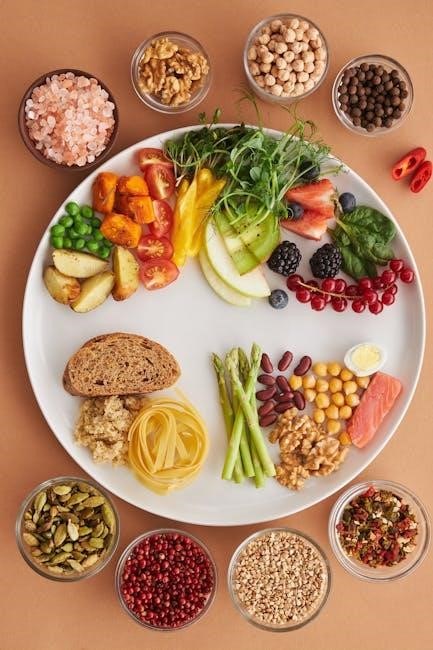
Dietary Approaches for Lipedema Management
A PDF guide on lipedema diets highlights plant-based, low-carbohydrate, and ketogenic approaches. The Mediterranean diet is also recommended, focusing on minimizing insulin and inflammation.
Plant-Based Diets for Lipedema
A PDF detailing lipedema-focused nutrition frequently emphasizes plant-based diets as a cornerstone of management. Research suggests vegetable-based, low-carbohydrate approaches correlate with decreased all-cause mortality compared to animal-based diets, making them particularly beneficial for individuals with lipedema. These diets are rich in enzymes and nutrients, supporting cellular function and reducing inflammation – key factors in managing lipedema symptoms.
The focus isn’t simply on eliminating animal products, but on maximizing intake of non-starchy vegetables, fruits with low glycemic impact, and incorporating lean protein sources alongside these plant-based staples. A well-structured plant-based plan minimizes insulin and glucose spikes post-meal, a critical element in lipedema care.
Many resources, including downloadable PDF guides, advocate for prioritizing whole, unprocessed plant foods. This approach naturally limits sugar, sodium, and refined carbohydrates, all of which can exacerbate lipedema symptoms. Ultimately, a plant-based diet offers a sustainable and potentially highly effective strategy for managing this chronic condition.
Low-Carbohydrate Diets and Lipedema
Numerous PDF resources on lipedema nutrition highlight the benefits of low-carbohydrate dietary approaches. These diets are frequently recommended alongside plant-based strategies, or as a standalone method, due to their effectiveness in minimizing insulin and glucose spikes – a crucial aspect of lipedema management. By restricting carbohydrate intake, the body relies more on fat for energy, potentially reducing inflammation and supporting healthy cellular function.
Current evidence favors vegetable-based low-carbohydrate diets over those heavily reliant on animal products. A PDF guide will often detail specific carbohydrate limits and emphasize the importance of choosing complex carbohydrates over refined options when some carbohydrates are included.
The goal isn’t necessarily a strict ketogenic diet for everyone, but rather a reduction in overall carbohydrate consumption to maintain stable blood sugar levels. This dietary strategy, clearly outlined in many lipedema PDFs, can contribute to improved pain management and overall well-being for individuals living with this condition.
The Mediterranean Diet for Lipedema
Many PDF guides dedicated to lipedema nutrition present the Mediterranean diet as a highly beneficial approach. This dietary pattern, rich in olive oil, fish, fruits, vegetables, and whole grains, aligns well with the principles of reducing inflammation and supporting overall health – key considerations for lipedema management. A comprehensive PDF will detail the specific food groups and proportions characteristic of this diet.
The Mediterranean diet naturally limits processed foods, refined sugars, and unhealthy fats, all of which can exacerbate lipedema symptoms. It emphasizes nutrient density and provides a sustainable, long-term eating plan. Resources in PDF format often highlight the diet’s positive impact on insulin sensitivity and glucose control.
Furthermore, the diet’s focus on healthy fats, like those found in olive oil and fatty fish, supports cellular function and may contribute to reduced fluid retention. Detailed PDFs will offer meal planning ideas and recipes tailored to the needs of individuals with lipedema, making implementation easier.

Key Nutritional Principles for a Lipedema Diet
A PDF guide emphasizes minimizing insulin and glucose spikes, reducing inflammation, maintaining a low glycemic index, and prioritizing whole, nutrient-dense foods for effective lipedema management.

Minimizing Insulin and Glucose Spikes
Understanding the impact of insulin and glucose on lipedema is crucial, often detailed within a comprehensive PDF dietary guide. Lipedema tissues are particularly sensitive to insulin, meaning even small spikes can exacerbate inflammation and fat storage in affected areas. Therefore, a core principle of a lipedema diet revolves around stabilizing blood sugar levels.
This is achieved by prioritizing foods with a low glycemic index (GI) and glycemic load (GL). Avoiding refined carbohydrates – white bread, pasta, sugary drinks – is paramount, as they cause rapid glucose surges. Instead, focus on non-starchy vegetables, lean proteins, and healthy fats, which release glucose slowly and steadily.
Pairing carbohydrates with protein and fat further mitigates spikes. For example, consuming an apple with a handful of nuts is preferable to eating the apple alone. Frequent, smaller meals can also help maintain stable blood sugar, rather than large, infrequent ones. A PDF resource will often include meal planning suggestions to facilitate this approach, emphasizing consistent carbohydrate intake throughout the day.
Reducing Inflammation Through Diet
Chronic inflammation is a hallmark of lipedema, making dietary strategies to reduce it essential – often comprehensively outlined in a dedicated PDF guide. A key focus is incorporating anti-inflammatory foods while eliminating those that promote inflammation. Processed foods, sugary drinks, and excessive sodium are significant inflammatory triggers and should be minimized or avoided entirely.
Conversely, a diet rich in antioxidants and omega-3 fatty acids can actively combat inflammation. Non-starchy vegetables, particularly leafy greens and colorful varieties, are packed with antioxidants. Fatty fish (salmon, mackerel), flaxseeds, and chia seeds provide beneficial omega-3s. A PDF resource will likely detail specific food choices and their anti-inflammatory properties.
Furthermore, plant-based diets, as frequently recommended for lipedema, inherently reduce inflammatory markers. Prioritizing whole, unprocessed foods provides the body with the nutrients it needs to regulate inflammation naturally. The goal is to create a dietary environment that supports cellular health and minimizes the inflammatory burden on lipedema tissues.
The Importance of a Low Glycemic Index (GI)
Maintaining stable blood sugar levels is crucial in lipedema management, and a low Glycemic Index (GI) diet is a cornerstone strategy – often detailed within a comprehensive PDF guide. Foods with a low GI are digested and absorbed more slowly, preventing rapid spikes in blood glucose and insulin. These spikes exacerbate inflammation and can worsen lipedema symptoms.
A PDF resource will typically provide lists of low-GI foods, including non-starchy vegetables, most fruits (in moderation), lean proteins, and healthy fats. Conversely, refined carbohydrates like white bread, pasta, and sugary cereals have a high GI and should be limited. Choosing whole grains over refined grains is also beneficial.
Minimizing post-meal insulin and glucose surges, as emphasized in current lipedema care guidelines, directly supports improved metabolic function and reduced inflammation. Consistently choosing low-GI options helps regulate appetite, promotes fat mobilization, and contributes to overall well-being for individuals managing lipedema.
Whole Food Focus: Prioritizing Nutrient Density
A central tenet of a lipedema-focused diet, frequently outlined in a detailed PDF guide, is prioritizing whole, unprocessed foods. This approach emphasizes maximizing nutrient intake while minimizing inflammatory triggers. Whole foods are naturally rich in vitamins, minerals, antioxidants, and enzymes – all vital for supporting cellular function and reducing systemic inflammation.
A comprehensive PDF will advocate for building meals around non-starchy vegetables, lean proteins, and healthy fats. These foods provide essential nutrients without causing significant insulin spikes or contributing to fluid retention. Avoiding processed foods, packaged products, and refined sugars is paramount, as these often contain hidden inflammatory ingredients.
Focusing on nutrient density ensures the body receives optimal support for healing and managing lipedema symptoms. This dietary strategy, alongside other recommendations found in a lipedema PDF, aims to create a favorable internal environment for reducing swelling and improving overall health.

Foods to Emphasize in a Lipedema Diet
A PDF guide highlights non-starchy vegetables, lean proteins, and healthy fats as dietary cornerstones. These choices support cellular function, minimize inflammation, and maintain stable insulin levels.
Non-Starchy Vegetables: A Cornerstone of the Diet
As detailed in many a PDF guide on the lipedema diet, non-starchy vegetables form the foundational base of an effective nutritional plan. These vibrant foods are incredibly nutrient-dense, providing essential vitamins, minerals, and antioxidants without significantly impacting blood sugar or insulin levels. This is crucial for managing lipedema symptoms, as minimizing insulin spikes is a primary goal.
Excellent choices include leafy greens like spinach and kale, broccoli, cauliflower, Brussels sprouts, asparagus, bell peppers, cucumbers, zucchini, and mushrooms. These vegetables are low in calories and carbohydrates, yet high in fiber, promoting satiety and aiding in healthy digestion. Fiber also supports gut health, which is increasingly recognized as playing a vital role in inflammation management.
Incorporating a wide variety of colors ensures a broad spectrum of phytonutrients, further bolstering the body’s defense against inflammation. Aim to fill at least half your plate with non-starchy vegetables at each meal. Preparing them simply – steaming, roasting, or enjoying them raw – preserves their nutritional value and avoids adding unnecessary fats or sugars. A comprehensive lipedema PDF will often include meal plans and recipes centered around these vegetable powerhouses.
Lean Protein Sources for Lipedema
A well-structured lipedema diet, often outlined in a detailed PDF resource, emphasizes adequate protein intake from lean sources. Protein is essential for maintaining muscle mass, supporting cellular repair, and promoting satiety – all vital components of managing lipedema and its associated symptoms. Unlike some diets, complete protein restriction isn’t the goal; rather, source matters significantly;

Prioritize options like skinless poultry (chicken and turkey), fish (especially fatty fish rich in omega-3s like salmon and mackerel), and lean cuts of beef or pork in moderation. Plant-based protein sources, such as lentils, beans, and tofu, are also excellent choices, aligning with the plant-focused approaches frequently recommended in lipedema dietary guidelines.
Avoid processed meats, which are often high in sodium and unhealthy fats. A lipedema PDF will typically advise portion control, as excessive protein can still impact insulin levels. Combining lean protein with non-starchy vegetables creates balanced meals that support stable blood sugar and reduce inflammation. Remember to choose cooking methods that minimize added fats – baking, grilling, or steaming are preferred.
Healthy Fats: Supporting Cellular Function
A comprehensive lipedema diet, frequently detailed within a downloadable PDF guide, recognizes the crucial role of healthy fats in supporting cellular function and reducing inflammation. While overall fat intake needs consideration, focusing on quality is paramount. These fats contribute to hormone production, nutrient absorption, and overall well-being, all important for individuals managing lipedema.
Prioritize monounsaturated and polyunsaturated fats. Excellent sources include avocados, olive oil, nuts (almonds, walnuts), and seeds (chia, flax). Fatty fish, like salmon and mackerel, provide omega-3 fatty acids, known for their potent anti-inflammatory properties – a key benefit for lipedema sufferers. A lipedema PDF will often highlight the importance of these essential fatty acids.
Limit saturated and trans fats found in processed foods, fried foods, and certain animal products. These can exacerbate inflammation and hinder progress. Incorporating healthy fats into meals alongside lean protein and non-starchy vegetables creates a balanced approach, supporting optimal cellular health and contributing to a positive impact on lipedema symptoms.
Fruits with Low Glycemic Impact
A well-structured lipedema diet, often outlined in a detailed PDF resource, acknowledges that while fruit provides essential vitamins and antioxidants, careful selection is vital due to its sugar content. The goal is to minimize insulin and glucose spikes, a cornerstone of lipedema management. Therefore, prioritizing fruits with a low glycemic impact is crucial.
Berries – blueberries, raspberries, strawberries, and blackberries – are excellent choices. They are relatively low in sugar and high in fiber, slowing down sugar absorption. Other suitable options include cherries, peaches, and plums, consumed in moderation. A lipedema PDF guide will typically provide a list of acceptable fruit choices and portion sizes.
Avoid or significantly limit high-sugar fruits like bananas, mangoes, and grapes. When consuming fruit, pair it with a source of protein or healthy fat to further mitigate the glycemic response. This balanced approach allows individuals with lipedema to enjoy the benefits of fruit without compromising their dietary goals and symptom management.

Foods to Limit or Avoid in a Lipedema Diet
A PDF guide for a lipedema diet stresses limiting processed foods, sugars, and refined carbohydrates. Reducing sodium intake is also vital for managing fluid retention and inflammation.
Processed Foods and Packaged Products
A comprehensive PDF guide on a lipedema diet consistently emphasizes the critical need to significantly reduce or eliminate processed foods and packaged products. These items are often laden with hidden sugars, unhealthy fats, and excessive sodium – all factors that can exacerbate lipedema symptoms. The inflammatory nature of many processed ingredients contributes to increased pain and swelling associated with the condition.
Packaged snacks, fast food, pre-made meals, and even seemingly “healthy” convenience foods frequently contain additives and preservatives that can disrupt metabolic processes and hinder the body’s natural ability to manage inflammation. These ingredients often trigger insulin spikes, further worsening lipedema. Focusing on whole, unprocessed foods allows for better control over ingredient quality and nutritional value.
Reading food labels carefully is paramount. Prioritize foods with short ingredient lists comprised of recognizable, whole-food components. Avoiding processed foods isn’t about strict deprivation, but rather a conscious shift towards nourishing the body with foods that support healing and minimize inflammation, ultimately aiding in lipedema management.
Sugar and Sweeteners: Impact on Inflammation
A detailed PDF guide concerning a lipedema diet will invariably highlight the detrimental effects of sugar and artificial sweeteners on inflammation. Excessive sugar intake is a primary driver of systemic inflammation, a key characteristic of lipedema that contributes to pain, swelling, and disease progression. This includes not only refined sugars like table sugar and high-fructose corn syrup, but also those hidden in processed foods and beverages.
Even seemingly “healthier” sweeteners, such as agave or honey, should be consumed sparingly due to their impact on blood glucose levels. Artificial sweeteners, while calorie-free, can disrupt gut health and potentially worsen insulin resistance, indirectly fueling inflammation. A lipedema-focused diet prioritizes stabilizing blood sugar and minimizing inflammatory responses.
The PDF will likely recommend opting for naturally occurring sugars in small amounts from fruits with a low glycemic impact, alongside strategies for reducing overall sugar cravings. Prioritizing a diet low in added sugars is a cornerstone of managing lipedema symptoms and promoting overall well-being.
Sodium Intake: Managing Fluid Retention
A comprehensive PDF guide on a lipedema diet will emphasize the crucial role of sodium intake in managing fluid retention, a common and often distressing symptom. Individuals with lipedema are prone to increased fluid accumulation in affected areas, exacerbating swelling and discomfort. High sodium intake directly contributes to this fluid retention by causing the body to hold onto water.
Therefore, a lipedema-focused dietary approach advocates for a conscious reduction in sodium consumption. This extends beyond simply avoiding adding salt to meals; it requires careful scrutiny of food labels to identify hidden sodium in processed foods, packaged snacks, and even seemingly healthy items like canned soups and sauces.
The PDF will likely suggest aiming for a daily sodium intake within recommended guidelines, and prioritizing whole, unprocessed foods naturally low in sodium. Adequate hydration with water is also vital to help flush out excess fluids. Managing sodium intake is a practical step towards alleviating swelling and improving quality of life for those with lipedema.
Refined Carbohydrates: Avoiding Insulin Spikes
A detailed PDF guide concerning a lipedema diet will strongly advise minimizing or eliminating refined carbohydrates due to their significant impact on insulin levels. Rapid spikes in insulin are believed to worsen lipedema symptoms, potentially contributing to fat cell enlargement and inflammation. Refined carbs – think white bread, pasta, pastries, and sugary drinks – are quickly digested, causing a surge in blood glucose and, consequently, insulin.
The PDF will likely explain that consistently elevated insulin levels can promote fat storage and hinder the body’s ability to effectively manage inflammation, both key concerns in lipedema. Instead, the guide will advocate for complex carbohydrates from non-starchy vegetables and limited portions of whole grains.
Prioritizing foods with a low glycemic index (GI) is crucial. This means choosing carbohydrates that are digested slowly, providing a more gradual release of glucose into the bloodstream, and avoiding those dramatic insulin spikes. This dietary strategy is a cornerstone of lipedema management, as detailed in current nutritional approaches.

Supplements and Lipedema (Considerations)
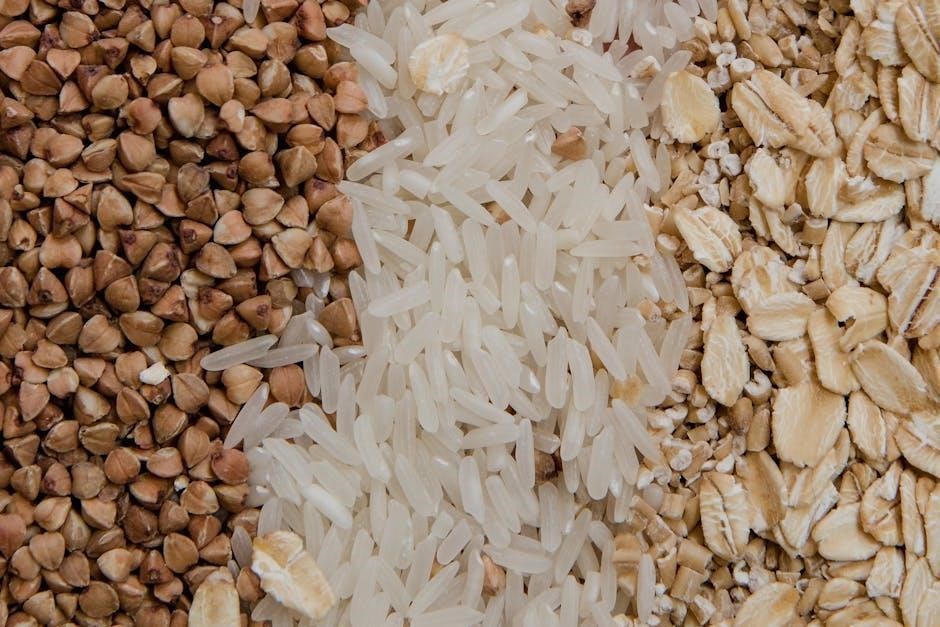
A PDF guide on lipedema may discuss supplements, but emphasizes consulting a healthcare professional first. Specific supplements may offer benefits, but individual needs vary greatly.
Potential Benefits of Specific Supplements
While a comprehensive lipedema diet, often outlined in a PDF resource, forms the foundation of management, certain supplements are explored for potential supportive roles. However, it’s crucial to remember that research is ongoing, and individual responses vary significantly. A PDF guide will likely emphasize the importance of personalized approaches and professional guidance.
Some commonly discussed supplements include those targeting inflammation, such as curcumin (from turmeric) and omega-3 fatty acids. These may help modulate the inflammatory response often associated with lipedema. Others, like bromelain (from pineapple), are investigated for their potential to reduce swelling and bruising. Certain individuals explore supplements supporting lymphatic drainage, though evidence remains limited.
Vitamin D deficiency is prevalent, and supplementation may be beneficial, given its role in immune function and inflammation. Magnesium, crucial for numerous bodily processes, is also sometimes considered. It’s vital to note that supplements aren’t a replacement for dietary changes or medical treatment. Always discuss potential interactions with existing medications and health conditions with a qualified healthcare provider before starting any new supplement regimen. A detailed PDF should always include this disclaimer.
Importance of Consulting a Healthcare Professional
Navigating a lipedema diet, even with a detailed PDF guide, necessitates personalized medical guidance. Self-treating based solely on information found in a PDF can be detrimental, as lipedema presents uniquely in each individual. A healthcare professional—ideally one experienced with lipedema—can accurately diagnose the condition, rule out other potential causes of swelling, and tailor a dietary plan to your specific needs and health status.
They can assess for co-morbidities like lymphedema or venous insufficiency, which require different management strategies. A professional can also monitor your progress, adjust your diet as needed, and address any nutritional deficiencies. Furthermore, they can advise on appropriate exercise regimens and compression therapy, integral components of lipedema management.
Before initiating any significant dietary changes or supplement protocols outlined in a PDF, discuss them with your doctor. This is especially crucial if you have underlying health conditions or are taking medications. A healthcare professional can ensure the diet is safe and effective for you, maximizing benefits and minimizing potential risks. Remember, a PDF is a resource, not a replacement for expert medical care.